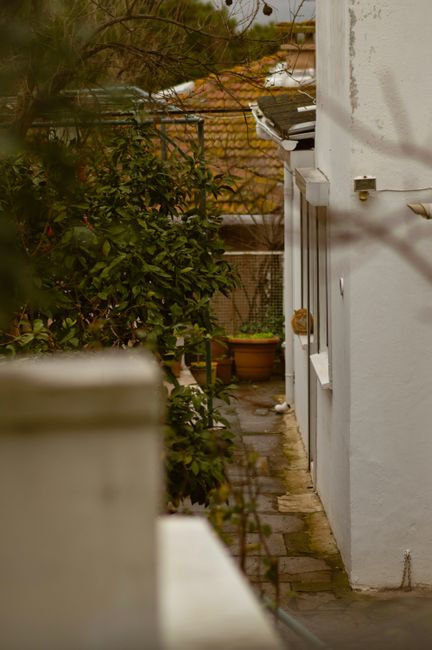
Narrow courtyard garden access Marylebone gardeners solutions

Courtyard gardens can be a joy in Marylebone, but let's be honest: once access is tight, even simple jobs can turn awkward fast. A wheelbarrow that barely fits, a narrow side passage, a shared entrance, or a stairwell with delicate finishes can all make routine garden work feel like a puzzle. That is exactly where Narrow courtyard garden access Marylebone gardeners solutions matter.
This guide explains how experienced local gardeners approach restricted-access courtyards, what works in practice, where the risks sit, and how to choose solutions that protect both the garden and the property. Whether you need maintenance, clearance, planting changes, or a complete layout rethink, the key is not brute force. It is planning, the right equipment, and a calm, tidy method.
For homeowners, landlords, and managing agents, there is also a wider point: narrow access is not just a convenience issue. It affects labour time, safety, waste removal, materials choice, and the final quality of the finish. Done well, though, a cramped courtyard can become one of the most attractive spots in the whole property. Small space, yes. Small potential? Not at all.
Why Narrow courtyard garden access Marylebone gardeners solutions Matters
Narrow access changes the whole gardening process. A courtyard may look modest from the outside, but once you factor in bagged waste, compost, awkward pots, a fragile surface, and perhaps neighbours sharing the same entrance, the job becomes far more technical. In Marylebone, where properties often come with tight mews-style layouts, basement lightwells, terraces, and enclosed courtyards, this is a familiar challenge.
The biggest mistake people make is assuming a small garden must be a quick job. In reality, access can be the slowest part. A ten-minute task can become an hour if tools need to be carried one by one, or if cuttings must be bagged in smaller loads to avoid scuffs and mess. That is why access planning should happen before pruning starts, not after the van has already arrived.
It also matters because narrow access usually means less room for error. A bump against a stone step, a muddy boot on pale paving, or a poorly handled shrub can leave visible damage. If the garden belongs to a rental property or a managed building, those little issues become expensive annoyances very quickly. Not ideal, frankly.
There is a design side too. When access is difficult, the garden itself should often be shaped around that reality. This may mean choosing lighter materials, moveable containers, smaller plants, or maintenance routines that reduce the need for bulky equipment. A good solution is not only about getting in and out. It is about making the space easier to look after every month after that.
How Narrow courtyard garden access Marylebone gardeners solutions Works
Good narrow-access gardening starts with a site review. A gardener will usually look at gate widths, path widths, stair turns, headroom, surface type, and where tools or waste can safely be staged. That initial look often tells you more than any list of services ever could. Truth be told, many access problems are solved on paper before the first spade is lifted.
The practical approach normally breaks into five parts:
- Measure the route. Check the tightest point, not just the widest. Door furniture, corner turns, and steps matter.
- Plan the workflow. Decide which tools, materials, and waste bags can move through the space without causing damage.
- Protect the property. Use covers, boards, or controlled carrying methods where surfaces are delicate.
- Work in smaller stages. Pruning, clearance, planting, and tidy-up often happen in separate passes.
- Remove waste efficiently. Bagging, bundling, and sorting on site makes exit smoother and safer.
Depending on the job, the solution may also involve specialist techniques such as sectional plant removal, compact machinery, hand tools instead of powered kit, or selective staging of materials outside the courtyard before final placement. That is especially useful where access is too tight for larger equipment. A lot of the work is simple common sense, but applied carefully.
If the courtyard needs structural or decorative changes, it may help to coordinate access-friendly improvements alongside broader work from landscaping support or a more design-led approach through landscape gardening. In small spaces, the way the route works can shape the design almost as much as the planting does.
Key Benefits and Practical Advantages
When narrow access is handled properly, the benefits are bigger than most people expect. The most obvious is fewer delays. But the real gain is that the job becomes calmer, cleaner, and less likely to produce accidental damage. That matters in Marylebone, where surfaces, finishes, and shared access areas are often part of the value of the property.
- Less disruption: Work is organised around the space rather than forcing the space to fit the work.
- Better finish quality: Small, careful moves often produce a tidier end result than rushed bulk handling.
- Reduced risk of damage: Narrow entrances, painted walls, handrails, and paving all stay safer.
- Improved regular maintenance: Once access is mapped, follow-up visits are easier and quicker.
- More realistic budgeting: A proper access plan helps prevent awkward surprises on the day.
There is also a usability benefit that gets overlooked. Once a courtyard is maintained with access in mind, it tends to stay functional. Pathways remain clear, storage becomes more sensible, and planting decisions become simpler. In other words, the garden stops fighting back every time someone needs to get a bin bag, a hose, or a pair of shears through it.
For ongoing upkeep, a planned routine often works best. Many clients find that pairing access-aware changes with regular garden maintenance keeps the space from drifting into a difficult state again. Small and steady beats heroic clear-ups every few months. Usually.
Who This Is For and When It Makes Sense
This kind of solution is useful for a wide range of people, but especially for anyone dealing with a courtyard that is lovely to look at and awkward to work in. That combination is more common than you might think.
- Homeowners with compact back courtyards, basement gardens, or enclosed mews spaces.
- Landlords and managing agents who need reliable upkeep without damaging communal areas.
- Busy residents who want the garden maintained without spending their own weekend hauling bags through a tight doorway.
- Older properties where access was never designed for modern tools or material deliveries.
- Properties needing clearance after neglect, renovation, or a tenancy change.
It makes sense to bring in a specialist when access is limiting the quality of the result. If pruning a hedge requires contortion, or clearing weeds means moving through the same narrow route ten times, that is usually a sign the job needs a better method. You do not need a dramatic overhaul every time. Sometimes one clever adjustment is enough.
If overgrowth, dead planting, or dumped materials are compounding the access issue, garden clearance can be the clean starting point before any redesign or maintenance cycle begins. Sometimes clearing the space first is the only way to see what the space actually wants.
Step-by-Step Guidance
Here is the practical way to approach a narrow courtyard garden in Marylebone without making the job harder than it needs to be.
- Inspect the access path. Note the narrowest section, low ceilings, turning points, and any vulnerable finishes.
- Identify what must go in and out. Tools, bags, compost, planters, timber, lighting, edging, and any waste all need a route.
- Separate the job into phases. For example: clearance first, then pruning, then planting, then final tidy.
- Choose compact tools. Hand tools, folding saws, small secateurs, and lightweight bags often work better than heavy kit.
- Protect edges and surfaces. Use care around stone, brick, paintwork, and glass. The route matters as much as the bed.
- Remove waste in manageable loads. Smaller loads take longer, yes, but they reduce mess and strain.
- Finish with an access-friendly plan. Keep pathways clear and make sure future maintenance will not repeat the same bottleneck.
If the space includes vertical planting, a slim lawn strip, or tricky perimeter growth, the job often benefits from specialist trimming or mowing support. For example, a neat border edge may be maintained more effectively after hedge trimming, while narrow lawn sections can be simplified with lawn mowing that suits confined access. The point is not to use every service. The point is to choose the right one.
A small but important detail: always leave yourself a clean exit route. It sounds obvious, but in a tight courtyard the route you came in on can become blocked by cuttings, tools, pots, or even a bag of soil. That one catches people out more often than you'd expect.
Expert Tips for Better Results
In our experience, the best narrow-access jobs are won before the first plant is moved. A few simple habits make a big difference.
- Work top-down where possible. Start with overhead pruning or clutter removal so you are not carrying debris through the same space twice.
- Use the lightest route available. If there is a choice between carrying one large bag or three smaller ones, the smaller ones often save the walls and your shoulders.
- Avoid bulky, thirsty plants in the tightest areas. They can be hard to reach, hard to replace, and harder still to keep healthy.
- Choose containers with purpose. Pots should fit the route as well as the garden. A lovely planter that cannot be turned through a corner is, to be fair, a bit useless.
- Think about maintenance before design. A beautiful scheme that needs regular heavy access will age badly.
- Plan a route for soil and compost. Materials can be the hidden problem in small gardens, not the plants.
One useful mindset shift is to design for repeatability. If a job can only be done once because access is too awkward to repeat safely, the solution is incomplete. Small spaces need systems, not heroics. That is how they stay pleasant through the seasons, even on a damp November morning when everything feels a little slower.
If you are rethinking the whole layout, services overview can help you see how maintenance, clearance, and landscape work fit together as one practical plan rather than separate tasks.
Common Mistakes to Avoid
The biggest access mistakes are usually simple ones. Not dramatic. Just expensive and annoying.
- Assuming the widest point is the only point that matters. Corners, handles, and turn angles often create the real problem.
- Choosing oversized materials. Large slabs, heavy bags, or bulky planters can create extra handling risks.
- Skipping surface protection. A small scrape can stand out in a courtyard with pale stone or polished paving.
- Overloading one visit. Trying to clear, trim, plant, and redecorate all at once can become chaotic.
- Ignoring the waste plan. If green waste has nowhere to go, the garden becomes cluttered before the work is even finished.
- Forgetting long-term access. A design that looks good on day one but blocks everyday maintenance is not a proper solution.
There is also a quieter mistake: underestimating how much access affects cost and timing. It is not just about the size of the garden. A tiny courtyard with a difficult route can take longer than a larger, easier space. That is normal. Better to understand it early than argue with reality later.
For larger jobs involving heavy growth or poor access, some clients start with the wrong task order. For example, planting before clearing, or decking before checking how materials will arrive. If timber features are planned, it may help to review decking services only after the access route and maintenance load have been thought through. Otherwise the lovely new feature becomes a logistical headache.
Tools, Resources and Recommendations
Restricted-access courtyard work usually benefits from compact, well-chosen tools rather than fancy kit. The aim is control, not power for its own sake.
| Tool or approach | Best use | Why it helps in narrow access |
|---|---|---|
| Hand secateurs and snips | Light pruning and deadheading | Easy to carry, quiet, and precise around delicate features |
| Compact folding saw | Smaller woody stems | Reduces the need for larger cutting equipment |
| Reusable rubble or waste bags | Green waste handling | Smaller loads are easier to move through tight routes |
| Protective boards or covers | Surface protection | Helps prevent scuffs on stone, decking, or painted thresholds |
| Lightweight containers | Planting and repositioning | Better for courtyards with limited carry space |
On the service side, it can be helpful to choose a team that is comfortable working in stages and carrying out work with care rather than speed alone. If a garden has become cluttered or difficult to move through, a controlled garden clearance can reset the space before regular care begins. For ongoing upkeep, using a steady garden maintenance plan is usually the smartest route.
A good practical recommendation: ask how materials and waste will be moved before you discuss plant choices. That one question tells you a lot. If the answer is thoughtful and specific, you are probably in good hands. If it is vague, keep asking.
Law, Compliance, Standards, or Best Practice
For most courtyard garden work, the main concerns are safety, access control, property protection, and sensible waste handling. Exact legal duties can vary depending on the property, the work being done, and whether any parts of the job affect communal areas or shared access. So it is wise to treat compliance as something to check carefully, not guess.
In practical terms, good practice usually means:
- planning work so it does not create avoidable hazards in shared routes;
- keeping work areas tidy to reduce slip and trip risks;
- using suitable protective measures for delicate surfaces and boundaries;
- handling tools and waste in a way that suits the site layout;
- ensuring any tree work, larger pruning, or removal is carried out with appropriate care and competence.
If tree growth is affecting access, light, or safety, the job may need specialist attention rather than routine pruning. In those cases, it can be sensible to look at tree lopping and removal as part of a broader access solution, especially where branches are physically blocking the route or crowding the courtyard.
It is also worth checking the company's own working standards. For example, a clear health and safety policy, sensible insurance and safety arrangements, and transparent pricing and quotes practices all help build confidence before any work begins. Small-space jobs benefit from clarity. Always have before and after expectations agreed in plain English.
Where waste is generated, environmentally sensible handling matters too. If you care about how cuttings and materials are treated, a company's recycling and sustainability approach can be a useful sign of how thoughtfully they work overall.
Options, Methods, or Comparison Table
There is no single best method for every narrow courtyard. The right choice depends on whether you need quick upkeep, a one-off reset, or a redesign that makes future work easier. Here is a simple comparison.
| Method | Best for | Strengths | Limitations |
|---|---|---|---|
| Manual maintenance only | Tidy courtyards with light growth | Low disruption, careful finish, easy to schedule | May not solve poor layout or awkward waste movement |
| Clearance first, maintenance after | Overgrown or cluttered spaces | Resets the garden and improves access immediately | Needs a follow-up plan or the problem can return |
| Access-led redesign | Properties with repeated access issues | Improves long-term usability and reduces future effort | Can require a bigger upfront decision |
| Combined landscaping and upkeep | Courtyards needing both structure and care | Balances design, safety, and practicality | Needs good planning to avoid overcomplication |
For many Marylebone properties, the sweet spot is a combination of clearance, tidy maintenance, and a few access-friendly design changes. You do not always need a full remodel. Sometimes you just need the garden to stop arguing with the doorway every week.
Case Study or Real-World Example
Imagine a small Marylebone courtyard accessed through a side passage and a narrow kitchen door. The space has a raised bed, several heavy pots, some tired climbers, and a lot of leaf litter. Every spring, the owners put off maintenance because getting materials in and waste out feels like a chore. By late summer, the space looks dense and a bit tired.
The practical solution is not to force a bigger job through the same route. A better approach would be to clear debris in stages, prune back overgrown growth carefully, remove awkward items one by one, and reassess what actually needs to stay. If the pots are too heavy to move regularly, replace a few of them with lighter alternatives. If the planting is crowding the pathway, reduce the width of the bed. Small decisions, but they add up.
After that, a lighter maintenance cycle keeps the courtyard manageable. The garden remains characterful, but the route stays usable. The owners are happier, the access stays safer, and the place does not need another emergency clear-out six months later. That is the point, really.
In a compact urban courtyard, a tidy routine often beats a grand one. The result feels better, too.
Practical Checklist
Use this checklist before starting any narrow-access courtyard work.
- Measure the tightest gate, door, passage, and turn.
- Check whether the route has fragile flooring, paintwork, or fittings.
- Decide what needs to be removed before any pruning begins.
- Choose tools that can be carried and used comfortably in restricted space.
- Plan where cuttings, pots, and materials will sit during the job.
- Confirm how waste will leave the property without blocking the route.
- Break the work into stages if the access is very tight.
- Think ahead about how the courtyard will be maintained after the job.
- Ask for clear timing, cost, and scope before work starts.
- Make sure the final layout still works for regular upkeep.
Practical summary: narrow courtyard access is rarely just a transport issue. It is a design issue, a maintenance issue, and a safety issue all at once. The best solution is the one that makes the space easier to live with next month, not just easier to finish today.
Get a free quote today and see how much you can save.
Conclusion
Courtyard gardens in Marylebone can be beautiful, but narrow access changes everything about how they should be cared for. The right solution starts with careful planning, continues with the right tools and handling, and ends with a space that is easier to enjoy and much easier to maintain.
If you are dealing with a tight entrance, awkward route, or a garden that seems to punish every visit, do not treat that as normal. It is a solvable problem. With the right approach, a cramped courtyard can become one of the most charming and practical parts of the property. And once it works well, you will notice the difference every time you step outside.
That is the lovely thing about a well-managed small garden: it quietly makes life better.
Frequently Asked Questions
What are narrow courtyard garden access solutions?
They are the practical methods gardeners use to work safely and efficiently in gardens that have tight entrances, small passages, awkward turns, or limited space for tools and waste.
Why is narrow access such a big issue in Marylebone gardens?
Many Marylebone properties have compact layouts, shared entrances, basement gardens, or courtyard spaces that were not designed for bulky equipment. That makes planning and handling much more important.
Can a small courtyard still be maintained regularly?
Yes. In fact, regular maintenance is often easier than one-off heavy work, as long as the route in and out is planned properly and the garden is kept from becoming overfilled.
What should I tell a gardener before they visit?
Share the access width, any steps or corners, surface types, where waste can be staged, and whether there are shared or delicate areas. The more accurate the picture, the better the plan.
Do narrow-access jobs take longer?
Usually, yes. Even simple work can take longer if tools, debris, and materials need to be moved in smaller loads. That is normal and should be factored into expectations.
Is it better to clear the garden before redesigning it?
Often, yes. Clearance gives you a clean view of the actual space and makes it easier to judge what should stay, what should go, and what needs to change for better access.
What kind of tools work best in restricted courtyard spaces?
Compact hand tools, lightweight bags, small pruning equipment, and protective covers tend to work best because they are easier to control through narrow routes.
Can landscaping help with access problems?
Absolutely. A good layout can reduce repeated carrying, simplify future maintenance, and make the courtyard feel more open and usable. That said, the design must suit the route, not fight it.
How do I know if tree work is affecting access?
If branches, stems, or root growth are blocking pathways, reducing light, or crowding the courtyard, tree-related work may be needed as part of the solution rather than as a separate task.
What should I expect from a trustworthy gardening company?
Clear communication, sensible safety measures, careful handling of surfaces, transparent quotes, and a maintenance plan that makes sense for the space. Simple, but important.
How can I stop a courtyard becoming hard to access again?
Use lighter planting choices, keep pathways clear, maintain growth regularly, and avoid adding oversized items that are hard to move through the route. The best defence is a practical layout.
Where can I learn more about services that support this kind of work?
You can review the available service options, read about the team on the about us page, or check the contact us page if you are ready to discuss your courtyard in more detail.