Hidden gardening charges Marylebone homeowners must avoid

If you have ever agreed a garden quote and then watched the final bill creep up, you already know the problem. Hidden gardening charges Marylebone homeowners must avoid are rarely dramatic at first glance; they tend to arrive as small add-ons, vague "extras", or awkward line items that were never discussed properly. In a place like Marylebone, where homes and gardens vary from compact townhouses to tucked-away courtyards, those small surprises can add up quickly.
This guide breaks down the charges that catch people out, how they usually appear, and how to protect your budget without making the process feel like a negotiation battle. We will also cover what good quoting looks like, what questions to ask, and where a professional service should be upfront rather than slippery. Let's face it, nobody enjoys pricing games before the work has even started.
Why Hidden gardening charges Marylebone homeowners must avoid Matters
In Marylebone, garden work is often more complex than it looks from the pavement. A neat front garden can hide difficult access, narrow side passages, awkward waste removal, protected trees, or delicate paving that needs careful handling. That is exactly why hidden charges matter. The job may seem simple, but the cost can change once the contractor is on site and has "discovered" something that should really have been discussed during quoting.
Some homeowners assume all gardening quotes work in the same way. They do not. One company may include labour, basic waste removal, and travel. Another may quote a low headline price and then add separate charges for fuel, disposal, equipment use, parking, or minimum visit fees. If you do not ask in advance, the cheaper quote can become the expensive one. A bit annoying, frankly.
It also matters because clear pricing is a trust issue. A reliable gardener should make it easy to understand what is included, what is optional, and what counts as a change in scope. If you are arranging regular work such as garden maintenance or seasonal tidying, even a small hidden fee repeated over several visits can change the real cost of keeping your outdoor space in shape.
And there is a practical side too. When you can compare like for like, you are more likely to choose the right service, not just the cheapest-looking one. That is a big deal when you are balancing budget, convenience, and the reality of living in central London.
How Hidden gardening charges Marylebone homeowners must avoid Works
Hidden charges usually appear when a quote is not fully scoped. The contractor may genuinely not know the final price at the start, but sometimes the estimate is also written in a way that leaves plenty of room for extras. The result looks neat on paper and fuzzy in practice. That fuzzy bit is where the surprises live.
Here are the most common ways these charges creep in:
- Vague labour estimates - the quote says "up to two hours" or "from GBPX", but there is no clear boundary for what happens if the work takes longer.
- Waste removal add-ons - garden clearance, green waste, soil, branches, and bagged debris can be priced separately. If disposal was never clearly included, the bill changes quickly.
- Access or parking complications - Marylebone streets are not exactly designed for easy loading. If the team needs to park far away, carry materials upstairs, or work through a building, an access surcharge may appear.
- Equipment charges - some firms use specialist tools for hedge cutting, stump work, or heavy clearance and charge extra for them.
- Minimum visit fees - a small job can still be charged at a minimum call-out rate, which catches people off guard if they only expected a quick tidy.
- Contingency mark-ups - if overgrowth, roots, broken fencing, or extra waste is discovered, the contractor may re-price on the spot.
The key point is not that every extra is unfair. Sometimes the extra really is legitimate. The problem is when it is not explained before work begins. A transparent provider will tell you what may change the price and how they will handle that if it happens. That is a very different experience from a vague "we will see on the day".
If you are planning larger outdoor changes, it can also help to understand where garden work ends and landscaping begins. Services such as landscaping or landscape gardening often involve more variables than routine mowing or trimming, so the quote should be even more detailed.
Key Benefits and Practical Advantages
Avoiding hidden gardening charges is not just about saving a bit of money. It also makes the whole process calmer, cleaner, and easier to manage. You know where you stand. The gardener knows where they stand. Everyone wins, which is rare enough to be worth protecting.
- Better budgeting - you can plan your spending with far fewer nasty surprises.
- Fair comparisons - quotes are easier to compare when they include the same basics.
- Less back-and-forth - clear scope reduces disputes once the job starts.
- Smarter service choices - you can decide whether you need routine care, a one-off tidy-up, or more substantial work.
- Improved trust - clear pricing is usually a sign of a well-run business.
There is another benefit that people overlook: reduced stress when the weather turns. Anyone who has tried to sort a garden after a windy week or a long wet spell knows how quickly things can pile up. If your quote is clear from the outset, you are not making decisions while looking at a soggy pile of leaves and a broken trellis. Not ideal.
For homeowners who like to keep things neat throughout the year, regular services such as lawn mowing, hedge trimming, or ongoing garden maintenance tend to work best when the pricing structure is simple and repeatable.
Who This Is For and When It Makes Sense
This advice is useful for almost any homeowner, but it is especially relevant if you are:
- getting a one-off quote for a garden tidy-up;
- booking clearance after a long gap in maintenance;
- comparing several local gardeners and trying to choose fairly;
- planning hedge work, tree work, or heavy pruning;
- dealing with awkward access, shared driveways, or limited parking;
- renovating a small outdoor space and expecting a fixed budget;
- new to hiring gardeners and unsure what a proper quote should include.
Marylebone homeowners often deal with compact gardens, basement-level access, terrace layouts, and mixed-use properties. That means the devil is in the detail. A job that sounds tiny on the phone can become surprisingly involved once bags, clippings, and access are all factored in.
If your property has mature trees or dense hedging, ask additional questions early. Tree and hedge work can carry more variables than basic lawn care. For example, tree lopping and removal may involve access planning, waste handling, and safety controls that should never be brushed aside with a quick estimate.
Truth be told, this is also for anyone who has ever felt slightly awkward asking pricing questions. You should not feel awkward. Clear money conversations save time on both sides.
Step-by-Step Guidance
Here is a simple way to reduce the chance of hidden charges before any work begins.
- Describe the job properly. Be specific about what you want done, where it is, and what condition the area is in. Photos help, but they should support the description, not replace it.
- Ask what the quote includes. Labour, waste disposal, fuel, equipment, materials, and VAT if applicable should all be clarified. If a quote is "for labour only", say so out loud and write it down.
- Ask what is excluded. This is the part many people skip. Exclusions are often where the extras hide.
- Check how changes are approved. If the gardener finds more waste or a damaged feature, who signs off the extra cost? Before work starts, that should be clear.
- Confirm access and parking assumptions. If the team needs special arrangements, make sure this is discussed. In central London, it matters more than people expect.
- Get the pricing model in writing. Fixed price, hourly rate, minimum charge, or day rate - all of these can work, but only if you know which one applies.
- Compare like for like. If one quote includes waste removal and another does not, don't compare the headline numbers as if they mean the same thing. They don't.
- Keep the communication trail. A short email confirming what was agreed is often enough to prevent later confusion.
A small but useful habit: if a contractor speaks in very general terms, ask them to translate the quote into plain English. A professional should be able to do that without sounding offended. If they cannot, well, that says something.
Expert Tips for Better Results
The best way to avoid hidden charges is to think like a planner, not just a buyer. Here are the habits that usually make the difference.
- Request itemised pricing for bigger jobs. Not every small garden tidy needs a line-by-line breakdown, but anything involving clearance, pruning, or structural changes benefits from it.
- Ask about waste by volume or by load. Garden waste can be priced in several ways. If you understand the method, you are less likely to be surprised.
- Check whether specialist disposal is needed. Soil, timber, large branches, and mixed waste may not all be treated the same.
- Be honest about the garden's condition. A "light trim" and a garden that has not been touched for months are not the same thing.
- Use seasonal timing wisely. After stormy or very wet periods, gardens often need more work. It is better to expect that than pretend it won't matter.
- Ask for a photo-based estimate if needed. This is especially helpful where access is tight or the garden is hidden from street view.
If you are arranging more than maintenance, for example a full tidy-up with waste removal, look at garden clearance as a useful reference point for the kind of detail a proper quote should include.
One more thing: a reputable company should be comfortable talking about payment terms. You can also review payment and security information if you want to understand how a business handles transactions and avoids awkward surprises at checkout. That bit is boring until it is not.
Common Mistakes to Avoid
Most pricing problems happen because the homeowner assumes something that was never actually agreed. It happens all the time. Here are the big mistakes.
- Choosing the lowest headline price without checking inclusions. This is the classic trap.
- Not asking about waste disposal. Garden waste is one of the most common sources of extra charges.
- Ignoring access issues. Narrow entrances, long carries, and stair access can all affect pricing.
- Assuming hedge, tree, and lawn work are priced the same way. They are not. Each service has different labour and disposal needs.
- Forgetting to confirm whether the quote is fixed or estimated. Those are very different things.
- Skipping written confirmation. A friendly phone call is fine, but the written version is what saves you later.
- Not asking about repeat-visit pricing. A cheap first visit can be followed by pricier ongoing work if you do not pin it down.
Sometimes the mistake is emotional rather than technical. People simply do not want to seem difficult. Yet asking about price is not difficult; it is sensible. In fact, it is one of the easiest ways to spot a company that values clarity.
For recurring work, a straight-talking provider such as a well-structured services overview can help you understand the relationship between routine tasks and more involved work before anything is booked.
Tools, Resources and Recommendations
You do not need a complicated system to avoid hidden charges. A few simple tools and habits are enough.
- Phone camera - take clear photos of the garden before requesting a quote. Good light helps, especially if the space is shaded.
- Notes app or written checklist - keep track of what was promised, what was excluded, and whether waste removal was included.
- Measurements - rough lengths for hedges, lawn size, or access width can help narrow quotes.
- Calendar reminder - useful for repeat maintenance so you do not forget the agreed schedule.
- Company policy pages - if you want a better sense of professionalism, review pages such as about us, terms and conditions, complaints procedure, and insurance and safety.
Those pages are not glamorous, I know. But they can reveal whether the company thinks carefully about process, complaints, insurance, and payment expectations. That usually matters more than a slick headline.
If sustainability matters to you, check whether waste is handled responsibly. A business that thinks seriously about recycling and sustainability is more likely to be thoughtful about garden waste than one that never mentions it.
Law, Compliance, Standards, or Best Practice
Garden pricing is not just a customer service issue. In the UK, good practice around quotes, payments, insurance, waste handling, and safety helps protect both the homeowner and the contractor. You do not need to know every legal detail, but it is sensible to expect a business to be clear about what it is responsible for and what the customer is responsible for.
At a minimum, a trustworthy gardening service should be able to explain:
- what work is included in the price;
- whether VAT is relevant;
- how additional work is approved;
- what happens if access is more difficult than expected;
- how waste is collected, moved, and disposed of;
- whether the company carries relevant insurance;
- how health and safety is handled when using tools, ladders, or cutting equipment.
That last point matters more than many homeowners realise. A tidy hedge or a cleared border might look simple, but working around tools, falling debris, or slippery paving requires care. If you are commissioning anything involving height, cutting, lifting, or tree work, a provider's health and safety policy should not be buried in the background.
For more involved projects, especially where timber structures or outdoor resurfacing are included, the rules of engagement should be extra clear. A job like decking services may involve materials, preparation, and finish details that should be priced separately from routine gardening. Different work, different expectations. Simple as that.
Options, Methods, or Comparison Table
Not every quote structure is bad. Some are better for small jobs, others suit larger or less predictable work. The trick is to match the method to the task.
| Pricing method | Best for | Potential downside | What to confirm |
|---|---|---|---|
| Fixed price | Clearly scoped jobs with obvious boundaries | May exclude small extras unless stated | What is included, what counts as a change, waste terms |
| Hourly rate | Unpredictable or small jobs | Total cost can rise if the work takes longer | Estimated duration, minimum charge, team size |
| Day rate | Larger projects or mixed tasks | You may pay for time even if the visible progress feels slower than expected | What the day includes, breaks, materials, and completion criteria |
| Quote plus extras | Jobs where access, disposal, or specialist tools may vary | Room for hidden add-ons if the terms are vague | Which extras are possible and how they are approved |
For ordinary homeowners, fixed pricing feels safest when the scope is clear. For more variable work, a careful estimate can be fine too, as long as the price movement is explained in advance. The problem is not flexibility; it is surprise.
Case Study or Real-World Example
Here is a realistic example based on a common Marylebone scenario.
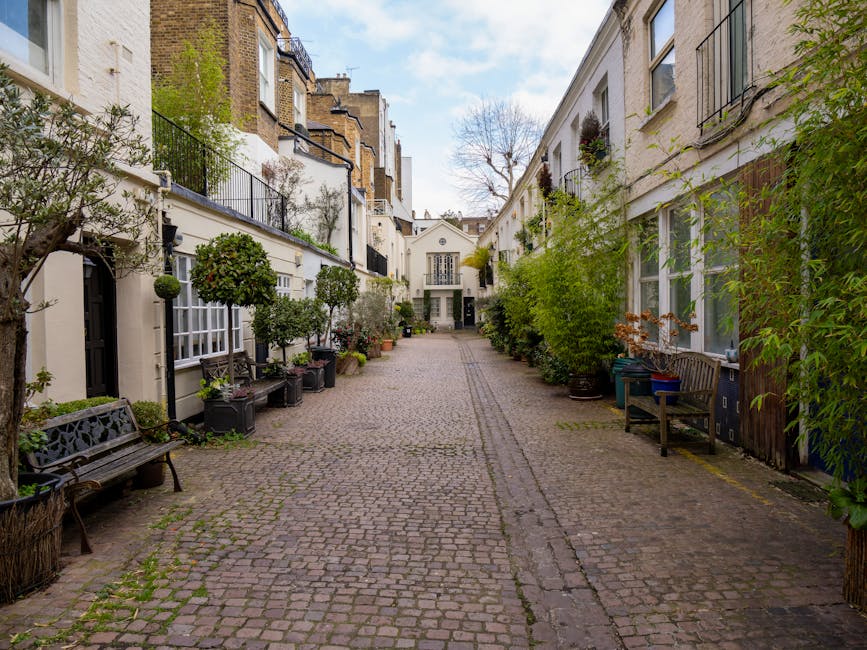
A homeowner in a narrow mews property asks for a spring tidy-up. The visible tasks are simple: trim the hedge, clear a border, mow a small patch of lawn, and remove a few bags of waste. The first quote looks attractive because it is short and tidy. But the property has limited parking, access through a side passage, and a rear gate that only opens partially.
At the quoting stage, a careful gardener would ask about access, the amount of green waste, whether large branches are involved, and how far material will need to be carried. If those things are not discussed, the bill may later include extra labour or disposal charges. Nobody enjoys that conversation on completion day.
Now compare that with a better approach. The homeowner sends photos, describes the access clearly, and asks for a quote that states whether waste removal is included. The gardener confirms the likely labour time, explains what happens if there is more waste than expected, and sets out the scope in writing. The work still costs money, obviously, but the price is explainable. That is the whole point.
Expert summary: the safest quote is not always the cheapest quote. It is the one you can understand before the first tool comes out of the van.
That may sound obvious, yet people still get caught by the tiny-print version of reality. A proper quote should feel boring in the best way. Nothing hidden. Nothing dramatic. Just clear numbers.
Practical Checklist
Use this before you approve any gardening work in Marylebone.
- Have I described the job clearly?
- Have I shared photos or measurements if helpful?
- Do I know whether the price includes labour, waste removal, and equipment?
- Have I asked what is excluded?
- Is the quote fixed, estimated, hourly, or day-based?
- Have I confirmed access and parking assumptions?
- Do I know how extra work will be approved?
- Have I checked whether the company explains insurance and safety?
- Do I understand the payment terms?
- Have I got the main points in writing?
If you can tick most of those boxes, you are already ahead of many homeowners who rely on a quick phone quote and hope for the best. Hope is lovely, but not exactly a pricing strategy.
For help comparing services and making sense of what is available, the broader services overview and pricing and quotes pages are useful places to start.
Get a free quote today and see how much you can save.
Conclusion
Hidden gardening charges Marylebone homeowners must avoid are usually not about grand deception. More often, they come from vague wording, poor scoping, or assumptions nobody checked in time. The good news is that these problems are very preventable. Ask better questions, insist on clear inclusions, and make sure the price reflects the reality of your garden, not just the first impression.
In a busy part of London, where access, parking, waste, and property layouts can complicate even the simplest job, clarity is priceless. Once you know what to ask for, the whole process becomes easier. And honestly, a clean, fair quote feels like a relief before the work even starts.
Take your time, trust your instincts, and do not be afraid to ask for plain English. That small bit of caution can save you a lot of hassle later, and your garden will thank you for it.
Frequently Asked Questions
What are the most common hidden gardening charges in Marylebone?
The most common ones are waste removal, extra labour, access or parking difficulties, equipment use, and minimum call-out fees. These are not always unfair, but they should be explained clearly before work starts.
Should a gardening quote include waste disposal?
It should if the service involves pruning, clearance, or cutting back. If disposal is not included, the quote ought to say so plainly. Waste is one of the easiest places for costs to drift.
Why do small garden jobs sometimes feel expensive?
Because many gardeners use a minimum visit charge. Even a tiny task still takes time, travel, tools, and setup. A short job can therefore cost more than people expect, especially in central London.
Is a fixed-price gardening quote always better than hourly pricing?
Not always. Fixed pricing is great when the scope is clear. Hourly pricing can work for unpredictable work, but only if you are comfortable with the final cost varying. The right choice depends on the job.
How can I tell if a gardening company is being transparent?
Look for clear wording about inclusions, exclusions, waste, payment terms, and how changes are handled. If a company is happy to explain the quote in plain English, that is usually a good sign.
Do I need to mention access issues before asking for a quote?
Yes. In Marylebone, access can affect pricing a lot. Narrow entrances, basement gardens, long carries, or difficult parking should all be mentioned early so the quote reflects the real job.
Can hidden charges appear after the gardener arrives?
They can, especially if the original quote was only an estimate and not a fixed price. That is why it is important to confirm how changes are approved before any work begins.
What should I ask before booking hedge or tree work?
Ask about access, waste removal, equipment, safety, and whether the work could reveal additional costs once the team sees the site. Jobs such as hedge trimming and tree work often have more variables than standard lawn care.
Are gardening quotes supposed to be written down?
They do not always have to be formal, but written confirmation is strongly recommended. A short email is often enough to avoid misunderstandings about scope and price.
What is the best way to compare two garden quotes?
Make sure both quotes include the same basics: labour, waste, materials, access assumptions, and any extras. Compare the actual scope, not just the headline number. Otherwise you are comparing apples and pears.
How often should I review the cost of regular garden maintenance?
If you use ongoing maintenance, review it whenever the job changes noticeably or at least when the season changes. A garden that is growing faster or needs extra clearance may need a revised agreement.
Where can I check a company's policies before booking?
Useful pages to review include about us, terms and conditions, payment and security, insurance and safety, and complaints procedure. They can tell you a lot about how the business operates.
What should I do if a quote changes unexpectedly?
Ask for the reason in writing and compare it with what was originally agreed. If the change came from a genuine scope issue, it should be explained clearly. If it was never mentioned at all, you have every right to query it calmly and directly.