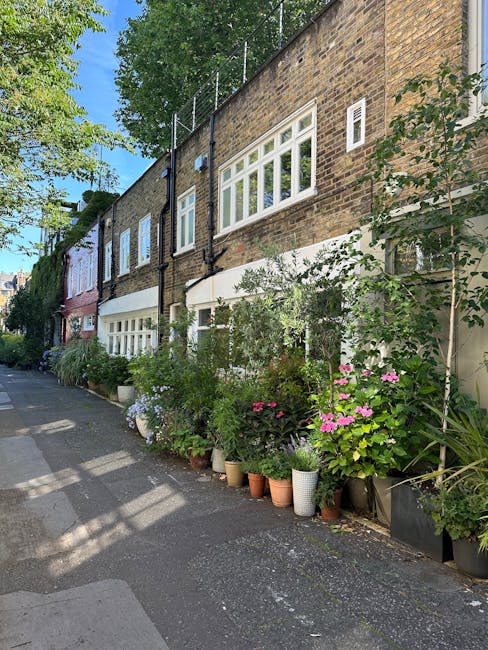
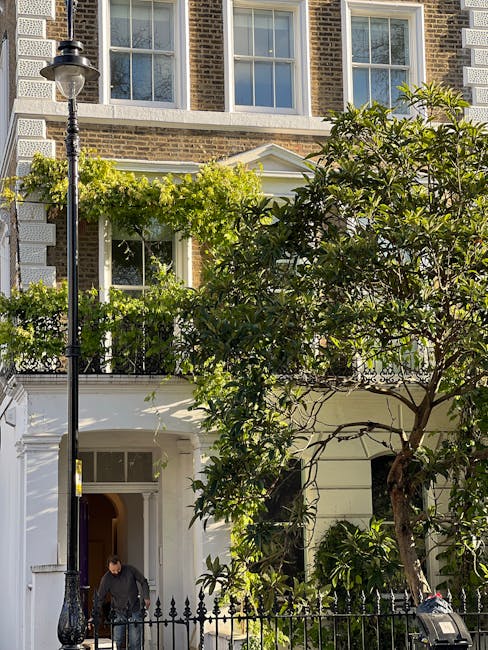
Best gardeners for Marylebone High Street townhouses
If you live in a Marylebone High Street townhouse, you already know the garden is rarely just "a garden". It might be a narrow front strip that catches every bit of city dust, a compact rear courtyard that needs careful planting, or a private terrace that has to look polished all year without feeling overworked. Choosing the best gardeners for Marylebone High Street townhouses is really about finding people who understand space, discretion, maintenance rhythm, and the realities of central London living.
That matters more than it sounds. A good gardener can keep a townhouse garden healthy, elegant, and easy to enjoy; the wrong one can leave you with plants that struggle, messy timing, or a layout that looks fine for a week and then slips. In this guide, we'll cover how to assess the right team, what services are useful in this part of Marylebone, what to expect on cost and standards, and the practical questions worth asking before you book. Not flashy. Just useful.
Table of Contents
- Why Best gardeners for Marylebone High Street townhouses Matters
- How Best gardeners for Marylebone High Street townhouses Works
- Key Benefits and Practical Advantages
- Who This Is For and When It Makes Sense
- Step-by-Step Guidance
- Expert Tips for Better Results
- Common Mistakes to Avoid
- Tools, Resources and Recommendations
- Law, Compliance, Standards, or Best Practice
- Options, Methods, or Comparison Table
- Case Study or Real-World Example
- Practical Checklist
- Conclusion
- Frequently Asked Questions
Why Best gardeners for Marylebone High Street townhouses Matters
Townhouse gardens in Marylebone tend to have a particular character. They are often enclosed, shaded by neighbouring buildings, and shaped by limited access rather than open suburban space. That creates a very different maintenance challenge from a larger garden in the outskirts of London. You need gardeners who can work neatly, move through shared entrances without fuss, and make sensible planting choices for light levels that may change over the day.
It also matters because townhouse gardens are usually part of the home's first impression. In a street like Marylebone High Street, a tidy front garden, well-kept planters, and a clean hardscape can quietly say a lot about the property before anyone even steps inside. Let's face it, some gardens look tired not because they are big or small, but because they are not being cared for in the right way.
There is another layer too: privacy and discretion. Residents often want a gardener who works efficiently, does not make a scene, and understands that central London neighbours are close. That means being careful with noise, access, plant debris, timing, and tidiness. If a team leaves cuttings in the wrong place or drags soil through a shared entrance, the whole experience can feel more stressful than it should. Not ideal.
A strong gardener for this setting understands that beauty and practicality have to sit together. For example, a box-style formal scheme may look lovely but be difficult to keep healthy in a narrow courtyard with mixed shade. Likewise, a lush planting design can become high-maintenance if irrigation and seasonal pruning are not thought through from the start. The best gardeners balance all of that.
How Best gardeners for Marylebone High Street townhouses Works
The process usually begins with a site visit or an initial discussion about the garden's layout, condition, and goals. A good gardener will want to know how much light the space gets, whether there is rear access, what the current planting is doing, and how much time you want to spend on maintenance yourself. That first conversation is often the most revealing part.
In townhouse settings, the work often falls into a few broad categories:
- Regular maintenance such as mowing, pruning, feeding, weeding, and leaf clearance.
- Seasonal planting for spring colour, summer texture, and winter structure.
- Border and container care for confined spaces, roof terraces, and courtyard schemes.
- Soft landscaping where planting plans, soil improvement, or small redesigns are needed.
- Specialist care for hedges, climbers, espalier trees, or more formal planting.
In practice, the best gardeners for Marylebone High Street townhouses will not just "do the jobs". They will sequence them properly. For example, a courtyard might need drainage attention before new planting goes in, or a shaded front garden may need a less thirsty planting palette before summer arrives. Straightforward enough, but easy to get wrong if a gardener is rushing.
If you want to understand the broader service scope first, it helps to look at the site's garden services overview. That gives a clearer sense of how maintenance, planting, and care can be combined for different property types. If you are still comparing providers, the about the team page is useful for judging experience and approach, especially if you value a local, residential style of service.
One practical thing to remember: townhouse gardens are often more sensitive to bad timing than large gardens. Pruning at the wrong point, overwatering containers, or ignoring compacted soil for a season can show quickly. Tiny garden, big consequences. Truth be told, that is part of the charm and the challenge.
Key Benefits and Practical Advantages
The best gardeners for Marylebone High Street townhouses bring more than plant knowledge. They bring consistency, judgement, and an eye for how a garden should function in daily life.
Here are the main benefits you should expect:
- Better use of limited space - compact gardens need planting that earns its place.
- Healthier plants - the right pruning, feeding, and soil care reduce avoidable decline.
- Improved street appeal - tidy frontage and smart seasonal planting make a visible difference.
- Lower long-term effort - a well-planned garden becomes easier to maintain, not harder.
- More reliable scheduling - regular visits keep gardens from swinging between overgrown and bare.
- Better handling of access and neighbour issues - important in dense townhouse settings.
There is also a financial angle, though it should be handled carefully. A tidy, coherent garden can help protect the appearance and usability of a property. That does not mean every improvement translates into a number on paper. Still, neglected outdoor space has a way of making a home feel smaller, darker, and a bit more worn than it really is. Gardens influence how a property feels.
On a human level, the benefit is simpler: you get to enjoy the space without it nagging at you. You open the back door in the morning and it looks calm rather than chaotic. A small win, but a real one.
If you are budgeting or comparing options, it is worth reviewing pricing and quotes early on. Transparent estimates help you decide whether you need regular maintenance, a one-off tidy-up, or a more involved refresh. And if you are concerned about how payment is handled, the page on payment and security is a sensible trust check before you proceed.
Who This Is For and When It Makes Sense
This service is most useful for townhouse owners, landlords, managing agents, and residents who want the garden to stay in control without constant effort. It is especially relevant if your outdoor space is visible from the street, shared with neighbours, or used often for entertaining.
You may need the best gardeners for Marylebone High Street townhouses if:
- your garden has become too seasonal or unbalanced and needs structure;
- you are moving into a property and want to reset the garden properly;
- the planting is struggling in shade, wind, or shallow soil;
- you need a discreet regular maintenance arrangement;
- you want containers, climbers, and borders to look consistent through the year;
- you have no time to manage the garden yourself, and that is fair enough.
There is a difference between a garden that needs a quick tidy and one that needs a proper rethink. A quick tidy is usually enough when the structure is sound and the planting simply needs maintenance. A rethink is more likely if the space has awkward access, poor light, poor drainage, or a planting scheme that never quite settled. In those cases, the gardener's design judgement matters as much as their hands-on skill.
For some homeowners, the deciding factor is simply peace of mind. They want someone who can turn up, work neatly, and leave the place better than they found it. A little boring, perhaps. But boring is often exactly what you want from garden maintenance.
Step-by-Step Guidance
If you are trying to choose a gardener for a townhouse in Marylebone, the easiest way to avoid confusion is to follow a simple process. No drama, no guesswork.
- Define what the garden needs right now. Is it maintenance, planting, pruning, clearing, or a redesign? Be specific if you can.
- Look at access and practical limits. Check gates, shared hallways, parking realities, storage space, and whether large tools can even get through.
- Ask for a site assessment. A good gardener should want to see the garden before offering a serious recommendation.
- Discuss maintenance frequency. In compact gardens, fortnightly, monthly, or seasonal visits can make very different outcomes.
- Review plant suitability. Shade, dryness, exposure, and soil depth should shape the planting plan.
- Confirm standards, insurance, and safety. Especially if work is being done around access points or shared spaces.
- Agree the scope in writing. This avoids the classic "I thought that was included" conversation later on. Nobody enjoys that one.
During the first visit, pay attention to how the gardener talks about the space. Do they ask thoughtful questions, or do they jump straight into assumptions? Do they mention plant health, drainage, and seasonal rhythm, or only mowing and weeding? Small clue, big difference.
If you want a broader sense of service quality and what should be covered, the insurance and safety page is worth reading because it reflects how seriously a provider handles risk. Likewise, the health and safety policy can help you understand how work is carried out around tools, ladders, pathways, and shared access. In central London, these things are not just paperwork. They are part of whether the job feels professional.
Expert Tips for Better Results
A townhouse garden rewards careful thinking. The difference between "nice enough" and genuinely impressive is often in the details that do not shout.
Choose plants for the space you actually have
It is tempting to choose plants for the look you want, but Marylebone townhouses often give you limited light, mixed microclimates, and tight soil volumes. Shade-tolerant planting, evergreen structure, and container-friendly species usually perform better than fussy plants that look lovely in a nursery and then sulk for three months.
Keep the layout simple
Small gardens become cluttered fast. One clean path, one strong seating area, and a disciplined planting structure often beats three competing features. That sounds almost too obvious, but it is amazing how often this gets overlooked.
Plan for winter as well as summer
Many gardens look good in June. Fewer still look good in February. The best gardeners think about stems, evergreens, bark, shape, and winter texture, so the space still feels intentional when the leaves are gone and the sky is flat grey at 4pm. Very London, that.
Use containers properly
For townhouse gardens, containers are not a compromise; they are often the smartest tool available. The trick is to size them correctly, make sure they drain well, and plant them with a clear seasonal strategy. A few strong containers can carry a whole courtyard.
Prioritise consistency over dramatic change
If a gardener suggests sweeping changes without first understanding the site, be cautious. In many Marylebone gardens, the real gains come from consistent care, thoughtful editing, and one or two clever upgrades rather than a complete reset.
Here is a small but useful rule: if the garden looks good from the doorway and still feels good when you stand in it, the design is probably working. If it only looks good from one angle, something is off.
For clients who care about waste handling and greener upkeep, the page on recycling and sustainability gives a helpful sense of how plant waste, materials, and garden maintenance can be handled more responsibly.
Common Mistakes to Avoid
Most poor gardening outcomes in townhouse settings are not dramatic. They are usually the result of a few avoidable missteps repeated over time.
- Hiring on price alone - the cheapest option can become expensive if plants fail or maintenance is inconsistent.
- Ignoring access issues - if tools, waste, or materials cannot be moved neatly, the job gets harder immediately.
- Overplanting the space - small gardens need room to breathe.
- Choosing high-maintenance plants without a maintenance plan - beautiful, yes. Practical, maybe not.
- Skipping soil care - top growth gets attention, but root health decides the long game.
- Assuming all gardeners do the same thing - they really do not.
One common mistake is asking for "something low maintenance" without saying what that means in your house. Low maintenance to one client means monthly visits; to another, it means twice a month and no visible weeds. You need to be clear. Otherwise everyone leaves the conversation with a different idea, and that is where frustration starts.
Another issue is over-fussing with seasonal colour while neglecting structure. A few bright plants are lovely, but if the underlying layout is weak, the garden will still feel messy after the flowers fade. Short-lived excitement, then disappointment. Better to build from the bones up.
Tools, Resources and Recommendations
You do not need to be a gardener yourself to make good decisions, but it helps to understand the basic tools and planning resources that matter most in a townhouse setting.
| Tool or resource | Why it helps | What to look for |
|---|---|---|
| Site photos | Shows light, layout, access, and current condition before a visit | Clear images of boundaries, planting, hard surfaces, and problem areas |
| Simple maintenance schedule | Keeps seasonal work and routine care on track | Visits aligned with pruning, feeding, tidying, and planting windows |
| Plant list or mood board | Helps translate taste into practical planting choices | Plants suited to shade, containers, and urban exposure |
| Written quote | Makes scope, timing, and expectations easier to compare | Clear inclusions, exclusions, and maintenance frequency |
| Safety and insurance information | Builds trust for work in residential or shared-access properties | Transparent policies and calm, professional explanations |
When comparing providers, it is also sensible to review the company's terms and conditions and privacy policy so you know how appointments, data, and service arrangements are handled. That is not glamorous reading. Still, it prevents avoidable confusion.
If you need to make contact or arrange a visit, the contact page is the obvious next step. A responsive first reply often tells you a lot about how the rest of the relationship will go.
Law, Compliance, Standards, or Best Practice
For most residential gardening work, the key issue is not legal complexity so much as sensible professional practice. That said, there are a few standards and expectations that matter in London townhouse settings.
Insurance is a basic expectation. Gardeners working with tools, ladders, machinery, waste removal, or work near shared access points should be appropriately covered. You should be able to ask about this without feeling awkward. You are not being difficult; you are being prudent.
Health and safety also matters more than people think. Even a small garden can involve trip hazards, sharp tools, uneven paving, or awkward carrying routes through a property. A good gardener should work neatly, minimise disruption, and handle equipment responsibly. If a job needs particular care, that should be discussed up front.
Waste handling is another practical expectation. Prunings, soil, and green waste should be removed or recycled appropriately, especially where access is shared or storage space is limited. The exact approach depends on the job, but the principle is simple: leave the site tidy, not just temporarily improved.
It is also worth checking how a provider handles complaints and customer issues. Nobody wants to use that information, but knowing there is a clear complaints procedure tells you a business is thinking beyond the day's job.
For accessibility and inclusive communication, the accessibility statement can be a reassuring sign if you or other household members need clear information formats or straightforward communication. Small detail, big comfort.
Options, Methods, or Comparison Table
Different townhouse gardens need different types of support. Below is a simple comparison of the most common approaches.
| Option | Best for | Advantages | Watch out for |
|---|---|---|---|
| Regular maintenance | Gardens that already have good structure | Reliable upkeep, tidy appearance, easier seasonal control | Needs consistency to work well |
| One-off garden tidy-up | Overgrown or neglected spaces | Quick reset, immediate visual improvement | Does not solve underlying planting issues |
| Seasonal planting service | Clients wanting colour and variety | Fresh look through the year, good for entrances and containers | Can become expensive if changed too often |
| Soft landscaping or redesign | Gardens with poor layout or failing planting | Long-term improvement, better structure, better plant fit | Needs proper planning and realistic expectations |
If your space is small and fairly well behaved, regular maintenance is often the best-value choice. If it has been neglected for a while, a one-off clearance followed by a maintenance plan is usually the smarter route. A redesign makes sense when the underlying layout or planting logic is wrong. Not every problem needs a full makeover, though. Sometimes the garden just needs a better routine.
Case Study or Real-World Example
Here is a realistic example, based on the kind of work commonly needed in Marylebone townhouse gardens.
A homeowner has a narrow rear courtyard with clipped hedging, a few tired containers, and a seating area that rarely gets used because the space feels dark and slightly fussy. The front aspect is visible from the street, so it has to stay neat, but the owner does not want a rigid, formal look.
The gardener begins by clearing the overgrown edges, improving the container mix, and replacing a few plants that were struggling in shade with more reliable alternatives. They keep the hedge line clean, introduce evergreen structure for winter, and simplify the number of containers so the space feels calmer. A weekly water check is not needed, but a dependable maintenance rhythm is.
After a few visits, the garden looks less crowded and more intentional. More importantly, it becomes usable. The owner starts sitting out there in the evening with a cup of tea, because the space no longer feels like a problem to solve. It just works. That is the real win.
This is exactly where the best gardeners for Marylebone High Street townhouses stand out: they do not just make the garden prettier. They make it easier to live with.
Practical Checklist
Use this quick checklist before hiring a gardener for a townhouse garden in Marylebone:
- Have you clearly defined whether the job is maintenance, planting, clearance, or redesign?
- Have you checked access, storage, and any shared entry considerations?
- Has the gardener seen the site or reviewed clear photographs?
- Do they understand your light levels, soil condition, and seasonal priorities?
- Is the quote written clearly, with inclusions and exclusions?
- Have you asked about insurance, safety, and waste handling?
- Do you know how often the garden will be visited or reviewed?
- Are the plant choices realistic for the space, not just attractive in theory?
- Have you agreed who is responsible for watering, if needed?
- Do you feel confident the team will be tidy, discreet, and responsive?
If most of those answers are yes, you are probably on the right track. If several are unclear, slow down a little. Rushing rarely helps in garden planning, and that goes double for compact urban gardens.
Get a free quote today and see how much you can save.
Conclusion
The best gardeners for Marylebone High Street townhouses are the ones who understand more than plants. They understand proportions, access, privacy, routine, and the delicate balance between elegance and practicality. In a townhouse setting, that blend matters every single day.
Whether you need routine maintenance, a seasonal refresh, or a smarter planting plan for a compact courtyard or front garden, the right gardener will make the space feel calmer and easier to enjoy. And honestly, that is what most people are after. Not perfection. Just a garden that feels cared for, looks right, and does not become another thing on your to-do list.
If you are ready to move from vague ideas to a proper plan, take the next step with confidence. A good local gardener can make even a tight London space feel generous, and that is a lovely thing when it happens.
Frequently Asked Questions
What makes a gardener suitable for Marylebone High Street townhouses?
A suitable gardener understands compact spaces, access constraints, privacy, and the planting conditions common in central London. They should be tidy, reliable, and practical, not just knowledgeable in theory.
How often should a townhouse garden in Marylebone be maintained?
It depends on the size, planting, and how formal the space is. Many townhouse gardens benefit from regular monthly or fortnightly attention, with seasonal visits for planting and pruning.
Do small townhouse gardens need professional garden design?
Not always, but professional input can be very helpful if the layout feels awkward, the planting is struggling, or the space has never quite worked properly. A small garden can benefit hugely from good structure.
Is a one-off garden tidy-up enough?
It can be, if the garden is generally healthy and just needs a reset. If the planting keeps failing or the space becomes untidy quickly, a maintenance plan is usually better.
What should I ask before hiring a gardener?
Ask about experience with townhouse gardens, access handling, insurance, frequency of visits, plant suitability, waste removal, and how quotes are structured. Clear questions save time later.
How do I know if the quote is fair?
A fair quote should clearly explain what is included, what is not, and how often the work will happen. Compare scope as well as price, because the cheapest quote is not always the best value.
Can gardeners help with containers and terrace planting?
Yes, and in townhouse settings containers are often a big part of the job. Good gardeners can choose plants, manage drainage, and build a planting scheme that suits changing light and exposure.
What if my garden gets very little sunlight?
That is common in Marylebone townhouses. A good gardener will choose shade-tolerant plants, improve soil where possible, and avoid species that need long periods of strong sun.
Should I check insurance before work starts?
Yes. It is sensible to confirm that the gardener has appropriate cover, especially if tools, ladders, or work around shared access points are involved.
What is the most common mistake homeowners make?
Hiring too quickly without checking whether the gardener truly understands small urban gardens. Good townhouse gardening is as much about judgement and consistency as it is about labour.
Can the same gardener handle both maintenance and redesign?
Sometimes, yes. Many gardeners can manage both, but for larger changes it helps to confirm their design experience and ask to see examples of similar work, even informally.
How do I keep the garden looking good between visits?
Keep watering simple, remove obvious debris, and avoid changing plant positions too often. If the gardener gives you a few easy instructions, follow those rather than improvising. It usually goes better that way.